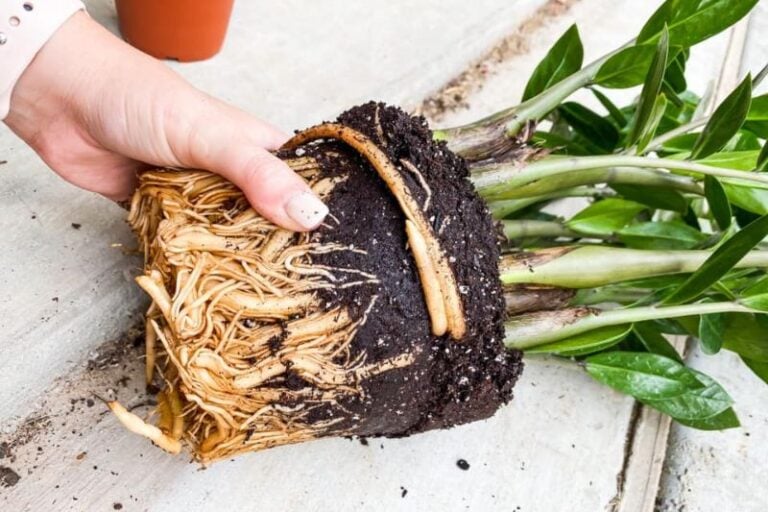
This zz plant, originally from Africa, features thick, dark green, leather-like leaves that grow in pairs along stems that can reach about 3 feet in length. With proper care, the ZZ plant usually boasts impressive immunity and rarely gets sick.
However, for those of us who are still learning how to nurture plants, it can sometimes fall prey to:
- Viral infections
- Microbial diseases
- Damage from pests
The ZZ plant is quite easygoing, and the key to keeping it healthy is not to overdo it with care or attention.
Common Diseases Affecting the ZZ Plant
Sometimes, a newly purchased plant can introduce a fungal disease into your collection. Experienced growers suggest quarantining any new arrivals for about 2 weeks to ensure there are no hidden infections.
Anthracnose
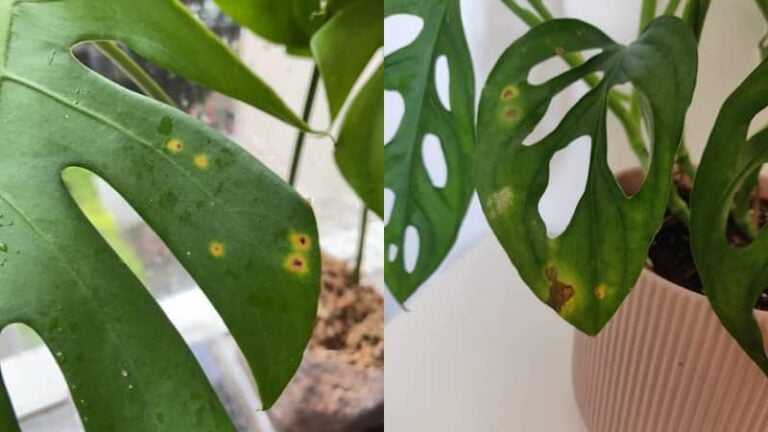
Anthracnose is a fungal disease affecting leaves and stems. Over time, black or brown spots form and spread. It commonly appears in warm, humid environments—conditions often found in greenhouses.
This fungus can survive cooler periods, so you’ll need to treat your plant thoroughly with fungicides such as:
- Bordeaux mixture
- Colloidal sulfur
- Copper sulfate
Powdery Mildew
Powdery mildew often shows up when it’s warm (like summer) and watering is more frequent. You’ll notice a flour-like coating on leaves.
If you don’t treat it, affected leaves develop a powdery layer and eventually die. To combat this, start treatment as soon as possible using:
Sooty (Black) Fungal Infections
A telltale sign is a black, sooty film on the plant. It appears because of sticky secretions from pests such as:
- Aphids
- Whiteflies
- Mealybugs
First, eliminate these harmful insects before tackling the sooty fungus. After treating the pests, you can wash the ZZ plant with mild household soap . If that doesn’t help, treat it with Serenade Garden Fungicide.
Leaf Burns
Leaf burns cannot be reversed. Any damaged leaves remain scarred. During the summer, when the sun’s rays are more intense, move the ZZ plant away from a south-facing window to a north-facing window, or at least deeper into the room to reduce direct sunlight.
Rot
To remove rotten areas, gently take the plant out of its pot and cut away all affected parts. Treat the cuts with a suitable fungicide.

Sterilize the pot with boiling water and use fresh potting mix afterward. Pay careful attention to watering in the future—avoid overwatering.
Important! Regularly inspect your indoor plants for pests. Catching problems early makes treatment much easier and more effective than dealing with severe infestations.
Common Leaf and Root Problems of the ZZ Plant
Sometimes improper care leads to various issues. The stem can darken with patches, or leaves may turn yellow. These are often the result of two main errors: either watering too infrequently (causing the plant to dry out) or watering too much, often with cold water.
Yellowing Leaves
If only about 5% of the leaves have turned yellow, this may simply be natural aging. It’s worse if an entire 3-foot stem yellows at once. That indicates poor care or a pest infestation.

Check your watering schedule and water quality. If that’s fine, inspect for pests and start treatment immediately if you find any.
Wilting
Leaves may wilt naturally from the bottom as the plant ages. But if an entire stem dries out, it could be mechanical damage or improper watering and lighting.
If wilting coincides with black spots, that’s a sure sign of root rot caused by overwatering with cold water.
Spots on Leaves
- Dark spots often signal improper care, typically overwatering. Remove leaves with black spots, then take the plant out of the soil and inspect its roots. Cut away any rotten parts until you reach healthy tissue, dust the cuts with wood ash, and repot into fresh soil. After this, reduce watering frequency.
- Brownish blotches can appear during winter if the plant stands in a cold draft. To prevent new blotches, move it to a warm, draft-free spot.
- Black spots on the stems indicate overwatering or partial root death. Adjust care accordingly.
Sticky Residue on Leaves
Sticky leaves usually mean pests are feeding on the plant’s sap. Their secretions form a sticky layer where fungal spores can easily settle, often leading to sooty mold.
Important! If you notice sticky residue, find the pest immediately and start treatment without delay.
Root Problems
Improper watering schedules can cause root issues.
- Roots Drying Out:
If the roots of this desert-adapted plant dry out, it likely hasn’t been watered for about six months. The ZZ plant stores water in its tubers, so set up a consistent watering schedule. If the roots have died, you can regrow them from healthy cuttings. - Roots Rotting:
Rot is caused by overwatering. Repot the plant, removing all rotten roots, and use a well-draining store-bought mix formulated for desert cacti. After repotting, wait about 15 days before watering with warm, settled water. Hold off on fertilizing for about a month. - Black Roots:
If roots aren’t rotten and watering was correct, they may simply be mature roots. If they have healthy white tips, they’re fine. - Root Spots:
Spots on roots suggest overly frequent watering with cold water. Water less often and use warm water. - Pests in Roots:
Pests can come in with contaminated soil or from a newly purchased plant. Quarantine any newcomer for 2 weeks before placing it near your other houseplants.
Important! Early detection makes pest removal much faster and easier, so inspect the plant regularly.
Identify and Control Root Pests in Your ZZ Plant
Pests often arrive either through contaminated soil or hitchhike on a newly purchased plant from the store.
To prevent spreading infestations, I usually keep any new plant isolated for about two weeks, away from my main group of houseplants. This simple quarantine step helps ensure I’m not introducing unwanted insects to my indoor garden.
If I discover pests on yellowing leaves, I immediately move the affected ZZ plant farther away from my other plants and start treating it right away.
Important! By catching pests early, you can get rid of them pretty quickly. That’s why I recommend regularly checking the leaves for any signs of trouble.
Recognizing and Removing Mealybugs from the Foliage
Deformed leaves can be a clear sign that mealybugs have appeared. These harmful insects live and multiply on the plant’s leaves. They’re easy to spot since they feed on the plant’s sap and leave behind a sticky white cotton-like residue.

Mealybugs don’t just drain the plant’s juices; their sticky secretions block air from reaching leaf surfaces, preventing normal photosynthesis.
To banish mealybugs, I wash the plant with mild household soap and water. If that doesn’t work, treat it with Bonide systemic houseplant insect control following the instructions on the package.
Stopping Thrips Damage on Your ZZ Plant’s Leaves and Shoots
If the leaves develop a whitish coating and the shoots look bent, thrips might have taken hold. At this point, I move the plant to a safe distance from other houseplants and begin treatment with Bonide Mite-X Insecticide and Miticide.
Important! Always follow safety guidelines when treating plants. These measures help avoid poisoning children and pets who might come into contact with treated plants.
Spotting and Treating Mite Infestations on Your ZZ Plant
Mites are tiny red spiders, about 0.04 inches (1 mm) long, which form webs on the leaf undersides. I remove them by gently wiping the leaves with a cotton swab dipped in alcohol. For hard-to-reach areas, I use a cotton swab to remove the webs.
After that, I treat the ZZ plant with Aktara or Actellic and repeat the treatment twice, about every 5–6 days. This timing coincides with mite eggs hatching, ensuring I catch them at a vulnerable stage.
If I can’t use chemical treatments, I opt for green soap (purchased at a pharmacy). I treat the plant repeatedly until the mites disappear.
Removing Scale Insects to Restore Your ZZ Plant’s Leaf Health
Scale insects are easy to spot: they’re about 0.16 inches (4 mm) long and brown in color. They have a shell-like covering that can be scraped off with a fingernail.
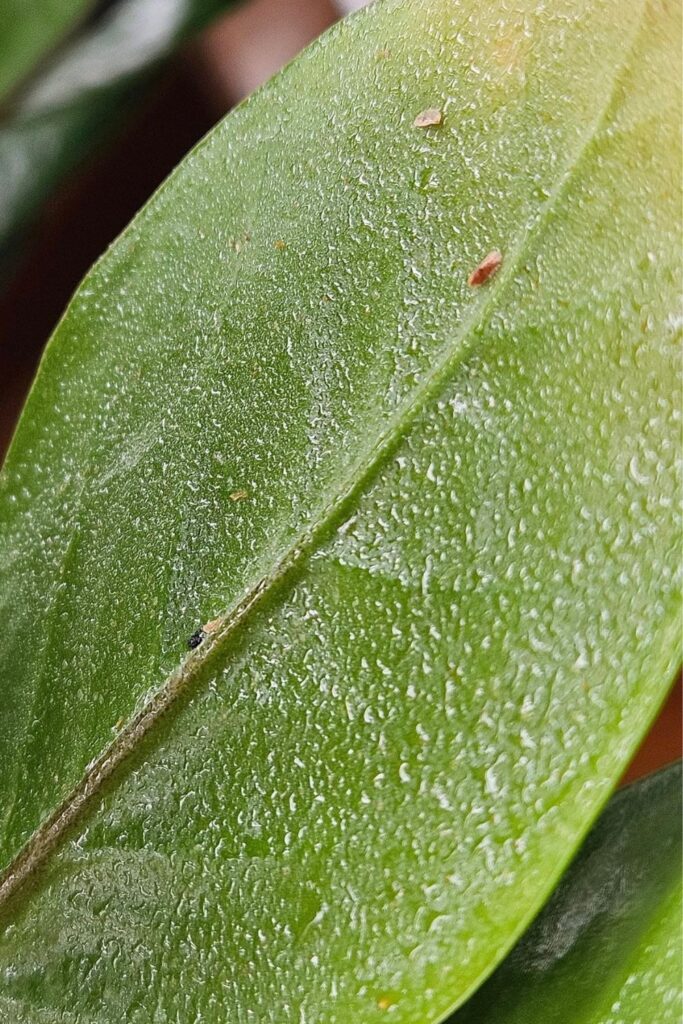
However, underneath that shell lie numerous larvae feeding on the plant’s sap. As a result, black spots appear on the leaves, and the leaves dry out.
Before treating with chemicals, I always remove all the scales by hand. Chemicals don’t fully penetrate the shell, allowing survivors to rebuild their defenses and multiply again. After manual removal, I use Bonide Systemic Insect Control, applying it three times at intervals of 6–7 days.
Reviving Your ZZ Plant After Serious Damage or Decay
What to Do if the ZZ Plant’s Tuber Has Rotted and Failed
If the tuber has rotted, take what’s left of the plant and trim back to healthy tissue. Use any remaining parts to grow a new ZZ plant. If you have even a bit of root, plant it directly into fresh soil. If only left with leaves, place them in water to encourage root growth.
Addressing Curled Leaves Caused by Pests on Your ZZ Plant
If leaves are curling, that often indicates harmful insects.Carefully inspect the ZZ plant, find the pests, and then get rid of them using the right treatments.
Handling Frost-Damaged Leaves and Encouraging Regrowth
If the leaves are frostbitten during transport, this is a relatively easy fix. The root system should still be healthy, so simply cut the frost-damaged leaves back to the base. After some time, the roots will produce fresh, healthy leaves.
Using Fungicides to Protect Your ZZ Plant from Fungi
You can use these products for fungal issues on ZZ plant:
- Bonide Mancozeb Flowable with Zinc Fungicide
- Earth’s Ally Disease Control for Plants
- Bonide Fung-onil Multi-Purpose Fungicide
I choose just one of these and apply it according to the package instructions.
Employing Traditional Methods to Combat Plant Pests
Removing Rot with Natural Remedies
Remove the plant from its pot, cut out any rotten areas, and then dust the clean cuts with wood ash or cinnamon.
Getting Rid of Whiteflies
Wash all green parts of the ZZ plant with dust soap (purchased at a pharmacy).
Eliminating Harmful Insects Naturally
Wipe the leaves with an alcohol solution and then bathe the entire plant with unscented liquid soaps.
Avoiding Common Mistakes in ZZ Plant Care
Poor care leads to mistakes, and if you don’t correct them in time, the plant may die.
| Care Mistake | How to Fix It |
| Low room temperature combined with overwatering | If there are new shoots, no need to worry. Just move the plant to a warmer room and adjust watering. If there’s no new growth, remove it from the soil and treat the roots for rot. |
| High humidity | If droplets appear at the leaf tips as if the plant is “crying,” it’s just a natural reaction to prolonged rainy periods. No special action required. |
| Oversized pot | If the plant isn’t growing new leaves, it may need a smaller pot. A too-large pot slows growth. |
Helpful Answers to Frequently Asked ZZ Plant Questions
Why do ZZ plant leaves turn yellow and fall off in winter?
When the room gets too cold, the plant may yellow some leaves. If it’s not happening on a large scale, there’s no need to worry. If the room is too hot and dry due to central heating, I give the plant a light misting with a spray bottle.
Why do the plant’s stems lie horizontally on the soil?
This often happens from overwatering. The plant becomes oversaturated, and under the weight of excess moisture, stems lean over. This is my cue to reduce watering immediately.
Why isn’t the plant producing new shoots?
ZZ plant shoots grow slowly, and producing just two shoots a year is normal. For faster growth, I keep the plant in a tighter pot and use fertilizers with higher nitrogen content.
Why are the stems wrinkling?
This too can result from overwatering. If some roots are lost, the remaining ones can’t fully support the leaves, causing the stems to wrinkle due to nutrient shortage.
How often should I water my ZZ plant throughout the year?
Remember, this plant hails from dry habitats and does not appreciate swampy conditions. In a snug pot, water about once per week in summer and just once a month in winter.
When to water after reviving or repotting?
After reviving the plant, let the roots sit in open air for about two hours so that any wounds can heal. Then pot it in fresh, suitable soil and don’t water it for about one month.
What should I do after buying a ZZ plant?
First, place any new plant under quarantine for two weeks. This ensures it doesn’t bring pests or diseases into my home.
Afterward, repot it into a container about 1.2 inches (3 cm) larger than the previous one, using soil intended for desert cacti. Once transplanted, don’t water it for about 3–4 weeks. This helps it adapt to the new container without rotting.
Caring for a ZZ plant requires following some simple guidelines. Most problems arise from frequent watering and poorly chosen locations. With the right watering schedule, this plant will show off its best features, producing lovely, lush leaf stems that highlight its natural beauty.