Begonia stands out for its beauty—not just thanks to its bright flowers, but also because of its gorgeous leaves, which come in such diverse colors and shapes.
And like any true beauty, it needs tender care and good maintenance—one wrong move, and your favorite plant can face serious trouble, since some diseases inevitably lead to the plant’s demise.
My article is about how to recognize the symptoms of various begonia diseases in time, and what measures will help halt the disease’s progression and bring your plant back to a healthy look.
Gray Mold (Gray Rot)
On the leaf blades, you’ll see wet white spots that later develop a gray coating. Eventually, the affected leaves turn black and wither away completely.
This disease is caused by a fungus that thrives in damp conditions. So first things first: eliminate the moisture, and remove any diseased parts of the plant.

In the early stage, you can try using Bonide Liquid Copper Fungicide Check Price on Amazon (a ready-to-spray copper solution) or a solution of Safer Brand M-Pede Insecticidal Soap Check Price on Amazon.
If these measures don’t help or if the disease is very advanced, treat with Ortho® Disease Control Ready-to-Spray Fungicide Check Price on Amazon, Spectracide Immunox Multi-Purpose Fungicide Check Price on Amazon, or another strong systemic fungicide.
Powdery Mildew
The telltale signs of powdery mildew on begonias are round patches of white, powdery coating—almost like someone dusted them with flour.

Over time, the coating spreads across all the leaf blades, turning them brown and causing them to die. High humidity in the air and soil, plus elevated temperatures, encourage the fungus that causes this disease.
Treat the affected plant with Ortho® Disease Control Ready-to-Spray Fungicide Check Price on Amazon, a sulfur-based spray such as Bonide Sulfur Plant Fungicide Check Price on Amazon. For heavy infestations, consider Spectracide Immunox Multi-Purpose Fungicide Check Price on Amazon.
Bacterial Leaf Spot
On the underside of the leaf blades, small, wet, glassy spots appear. Later, they turn brown and spread to stems and flowers.

Remove the infected plant and thoroughly disinfect the soil. To prevent this dangerous ailment, spray your begonia every 2–3 weeks with Bonide Copper 53 Wettable Powder, which contains copper oxychloride.
Black Root Rot
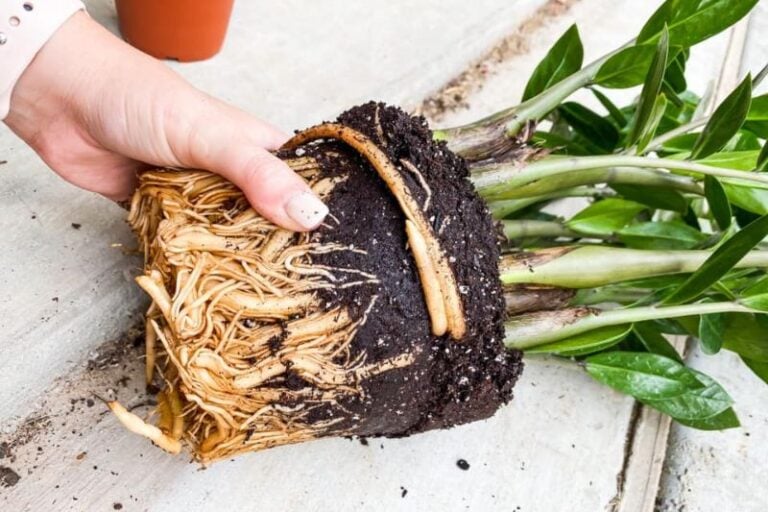
You might suspect root trouble if your plant stops growing and starts wilting. Upon inspecting the roots, you’ll see they’ve turned black and show clear signs of rot—classic indicators of black root rot. This disease usually develops from overwatering.
Trim away the rotted roots, then treat the remaining healthy roots with a fungicide.
Cucumber Mosaic
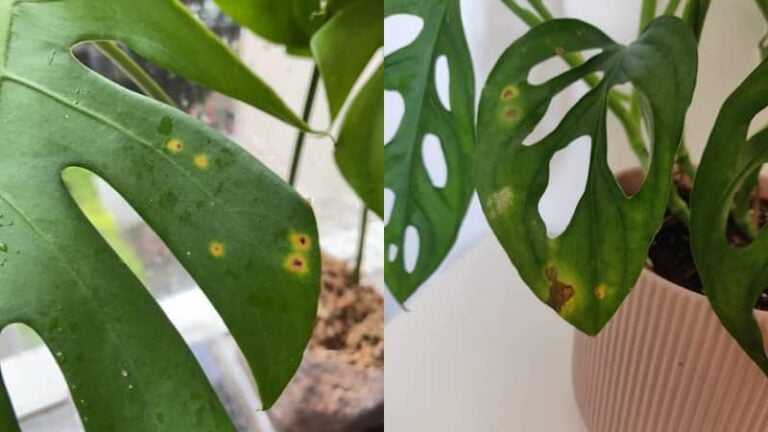
Yellow spots and rings appear on the leaves, which become noticeably deformed.
Unfortunately, this disease is incurable, so you’ll need to destroy the infected plant immediately to protect the rest of your collection.
Ring Spot
Greenish-yellow lines or spots appear, the plant takes on a bronze tint, and dead patches form. This disease is caused by sap-sucking insects.

First, eliminate the insects carrying the pathogen—try spraying with Garden Safe Neem Oil Extract Check Price on Amazon. Any severely affected plants should be removed, since the infection can linger in the roots and re-emerge next season.
Greenhouse Aphid Infestation
Aphids feed on the plant’s sap, causing the leaf blades to yellow, buds to stall without opening, and flowers to drop. You’ll usually spot them on the underside of leaves—plus, their sticky excretions leave the foliage looking grimy.
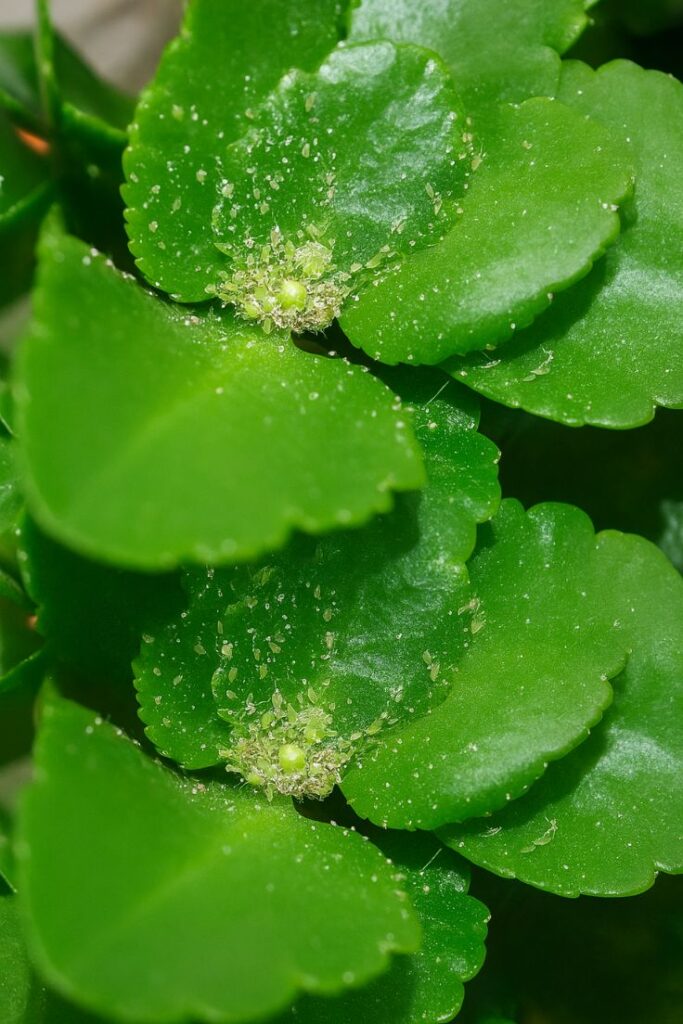
Combat aphids with Safer Brand Insecticidal Soap Check Price on Amazon. In greenhouse settings, stronger options like Avid (abamectin) can be more effective.
Soft Scale Infestation
The insect attacks almost every part of the plant, and the telltale signs that your begonia has been hit by soft scale are sticky honeydew deposits and a dark coating of sooty mold. At the same time, your begonia will suddenly lose its color and start to deform—yikes, right?

Here, you really can’t skip mechanical control: using a soft brush and a garlic spray (or swap in a PyGanic Garden Insecticide Check Price on Amazon), gently wipe those critters off the leaves, petioles, and stems of your begonia. Repeat this treatment every 2–3 weeks.
Greenhouse Thrips Damage
When thrips invade, your begonia will fade, twist out of shape, nearly stop growing, and its leaves will turn yellow fast—talk about a bad hair day for plants.
Treat affected plants with a tobacco or celandine infusion (or simply wash them with an insecticidal soap). In greenhouse conditions, insecticidal soaps and neem oil work wonders.
Greenhouse Whitefly Infestation
Whiteflies love the undersides of leaves, sucking out juices until those leaves turn pale—and often they hitch viral diseases along for the ride. Concerned yet?
Spray your begonia with a mild soapy solution or Neem Oil.
Leaf and Gall Nematode Infestation
Nematodes are tiny worms that settle on leaves, stems, and even buds. You’ll spot pale green spots on the leaves that later turn brown, and the tips of your plant will twist—if you don’t act fast, you’ll lose it.
If the infestation is light, try beneficial nematodes. But if they’ve gone wild, it’s kinder to the rest of your collection to remove the plant altogether.
Gall nematodes differ from leaf nematodes by attacking roots and the lower stem, causing swellings that eventually burst with larvae—gross, huh?
Cut away the affected roots and stems, then water the soil with a beneficial nematode solution. For prevention, steam-sterilize your soil or treat it with Diatomaceous Earth Check Price on Amazon.
Fungicides and Pesticides for Begonias
- Protective fungicides – mainly for prevention; keep healthy plants safe before trouble starts.
- Systemic fungicides – shield new growth after treatment; they’re great for both treatment and prevention since the plant absorbs them quickly.
- Curative fungicides – used during active treatment of disease.
- Contact pesticides – protect only the parts they touch and can wash off in heavy rain.
- Seed treatments – applied to seeds, tubers, rhizomes, bulbs, or corms to stop diseases before they begin.
Conclusions
Begonias are stunning—but they’re also fussy and crave perfect care. The most common threats are gray mold, powdery mildew, bacterial leaf spots, and black root rot. Among pests, aphids, soft scales, whiteflies, and nematodes top the list.
The best defense is early detection, removing affected areas, and choosing the right treatment based on the culprit. And don’t forget—at the first sign of trouble, simple home remedies can sometimes save the day!