Mealybugs are among the most dangerous pests indoor gardening enthusiasts can face. These tiny insects look like little bits of cotton, and they multiply fast.
They feed on plant juices and weaken the plant’s immune system. If you don’t act quickly, mealybugs can wipe out your entire collection of houseplants—and not just those!
How can you recognize these sneaky pests, get rid of them, and prevent them from returning? Let’s take it one step at a time, because ignoring mealybugs can spell disaster for any plant lover.
What Does a Mealybug Look Like?
The mealybug (also called a felted scale or pseudococcid) is a small, sap-sucking insect measuring about 0.08 to 0.20 inches (2–5 mm). It’s covered in a white or grayish wax coating that resembles flour—hence its name. This waxy coating protects the insect from external threats and makes it harder to fight.
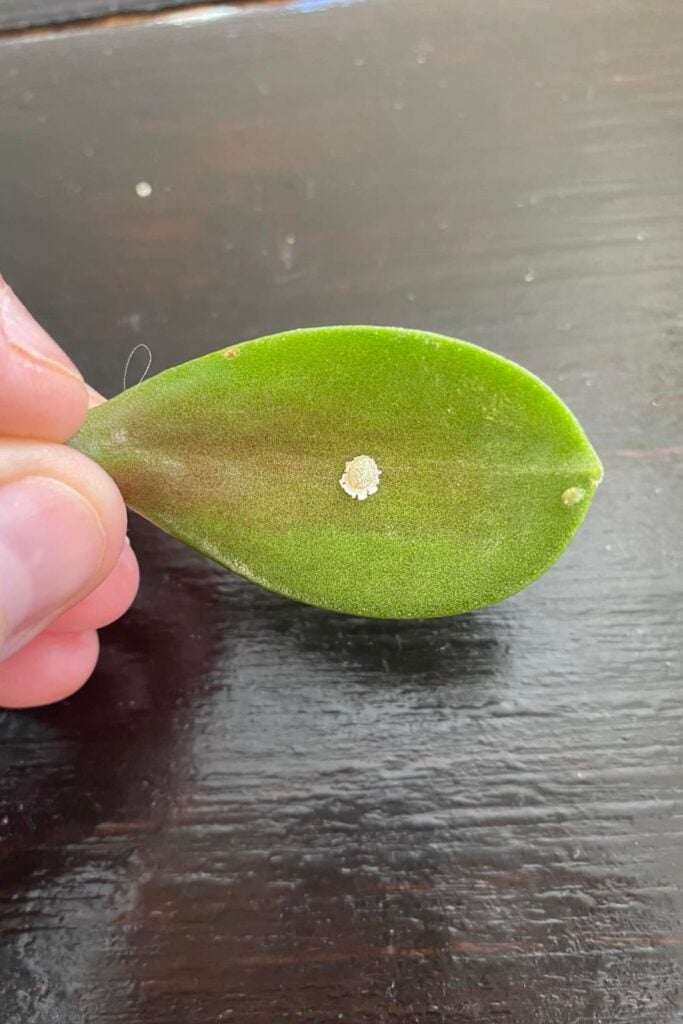
Its body is oval, slightly elongated, and flat on the underside. Female mealybugs are usually larger than males and remain stationary, attaching themselves to the plant and feeding on its sap.
Males, on the other hand, have wings and can move around, but they don’t harm plants—males live a very short time and don’t feed at all since their main task is to fertilize females. One female can lay anywhere from 200 to 600 eggs.
Both adult females and the newly hatched larvae cause real harm. The larvae begin to feed immediately after hatching, moving around the plant in search of the perfect spot to settle and grow.
Once they find it, they attach themselves and stop moving. During this traveling phase, larvae can “hop” to neighboring plants, spreading the infestation.
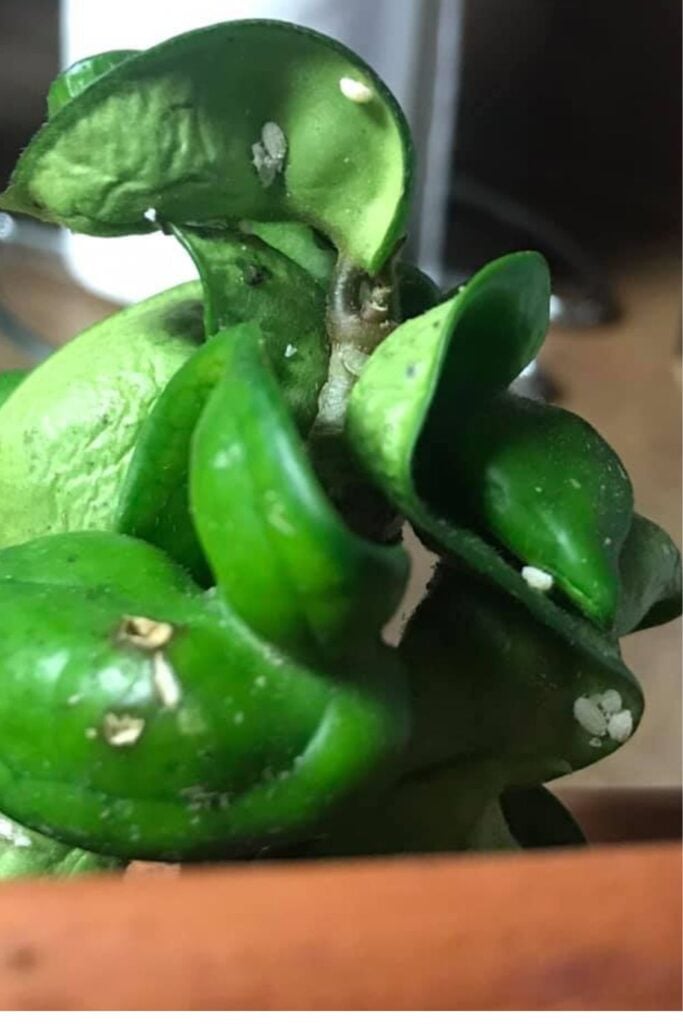
It can be tough to spot mealybugs right away. They often hide in hard-to-see places, like leaf axils, on the underside of leaves, around the stem’s base, or even in the root zone if we’re talking about root mealybugs. That’s why it’s so important to inspect these specific areas when you’re checking your plants.
Damage Caused by Mealybugs
Mealybugs have piercing-sucking mouthparts that let them puncture plant tissue to feed on the sap. They can go after buds, leaves, fruits, shoots, or roots. When they feed, the plant starts showing signs of exhaustion, such as yellowing or dropping leaves, slowed growth, wilting, and sometimes even death.
On top of that, mealybugs leave behind a sticky residue called honeydew on leaves and stems. This residue can trigger sooty mold, a blackish fungus that coats the plant and hampers photosynthesis, further weakening the plant.
Mealybugs love warmth, so in cooler regions of the United States, they’re typically found in greenhouses or indoors. Because of that, houseplants face the greatest risk.
But if your cactus that’s infested with mealybugs is sitting near your pepper or tomato seedlings, they won’t be spared either.
The moment mealybugs appear on one plant, the threat instantly extends to every plant nearby. Stay vigilant—letting your guard down could result in losing not just a single houseplant but your entire indoor garden.
How to Defeat Mealybugs Indoors
Mealybugs require patience and a well-rounded approach to eradicate. These pests can spread rapidly, so I always recommend swift action before they take over your houseplants.
Home Remedies for Early Infestations
If you spot a mealybug invasion in its initial stages—when there aren’t many bugs yet—try these home remedies first. They’re simple, affordable, and can be highly effective if you catch the problem early.
Manual Removal
You can pick off mealybugs using cotton swabs or toothpicks, especially if there are only a few. While it’s great for minor infestations, manual removal won’t do the trick once the bugs start multiplying.
Soapy Water Solution
Another easy method is wiping the affected areas with a cotton pad dipped in soapy water. Dissolve about 0.7 oz [20 g] of regular household soap in 1 quart [1 L] of warm water.
Use this to clean the leaves, stems, and any hard-to-reach spots where the bugs might hide. Repeat every few days to maintain control.
Soap-and-Alcohol Mix
Alcohol dissolves the waxy coating on mealybugs, making them more vulnerable. To prepare this solution, combine 1 part rubbing alcohol, 1 part liquid soap, and 4 parts water. Apply it to your plants once a week to target any lingering pests.
Garlic Infusion
Garlic is a natural insecticide that repels many pests, including mealybugs. To make a garlic infusion, crush 5–6 cloves of garlic and pour 1 quart [1 L] of boiling water over them. Let it steep for a full day, then strain and spray your plants with this solution.
Calendula Infusion
Steep 3.5 oz [100 g] of dried calendula (also known as pot marigold) flowers in 1 quart [1 L] of hot water for 24 hours. After a day, strain the infusion and use it to treat the areas infested by mealybugs.
Using Chemical Insecticides
If home remedies fail or the infestation keeps spreading to new plants, it’s time for commercial insecticides. Because mealybugs have a water-repelling outer shell, contact insecticides won’t work well against them.
You’ll need a systemic insecticide that seeps into the plant’s tissues and kills insects feeding on its sap.
Some effective systemic insecticides include:
- Bonide Systemic Houseplant Insect Control (Buy on Amazon)
- BioAdvanced Tree and Shrub Protect & Feed (Buy on Amazon)
- Ortho Bug B Gon Systemic Insect Killer (Buy on Amazon)
Follow the instructions to the letter, and if you can, move your plants into a non-living space while spraying.
It’s generally best to spray 2–3 times at ten to fourteen-day intervals to eliminate both adult mealybugs and any new hatchlings.
How to Prevent Mealybugs
We all know that prevention is the best cure. If you want to keep these pests away, here are a few tips I find indispensable:
Quarantine New Plants
When you bring a new plant home, isolate it in a separate room for at least 2–3 weeks. This makes it easier to spot and deal with pests before they spread to your established collection.
If no signs of infestation appear after this period, introduce the newcomer to your other plants.
Regular Plant Checkups
Make a habit of examining your plants for signs of trouble. Spotting mealybugs early on gives you the upper hand, and you’ll have more success wiping them out for good.
Proper Care Routines
Healthy, strong plants can often fend off pests on their own. Give them the right balance of watering, fertilizer, and sufficient light so they’re better equipped to resist attacks.
Humidity Control
Mealybugs thrive in dry conditions, so regular misting and proper watering schedules help prevent infestations. Just be careful not to overwater, as that can lead to other issues like root rot.
Leaf Cleaning
Wipe your leaves regularly with a damp sponge or cloth to remove dust and any hidden eggs. It’s a simple step but one that can stop an infestation in its tracks.
Mealybugs are formidable foes for houseplants, but victory is totally possible when you take timely action and use the right strategy. If you suspect an outbreak, don’t wait—nip it in the bud before it gets worse.