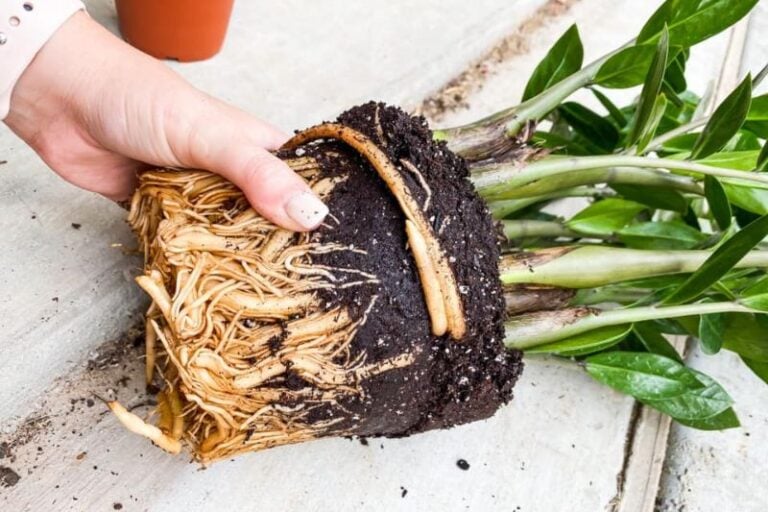
You pulled your Alocasia out of the pot—and almost no roots. Now what?
If you leave an Alocasia out of action with no roots, it can literally dry up and die. Yikes! But don’t toss it yet. I’m here as your friendly gardening buddy to walk you through why those roots vanished and exactly how to coax brand-new ones.
Why Does Alocasia Have No Roots?
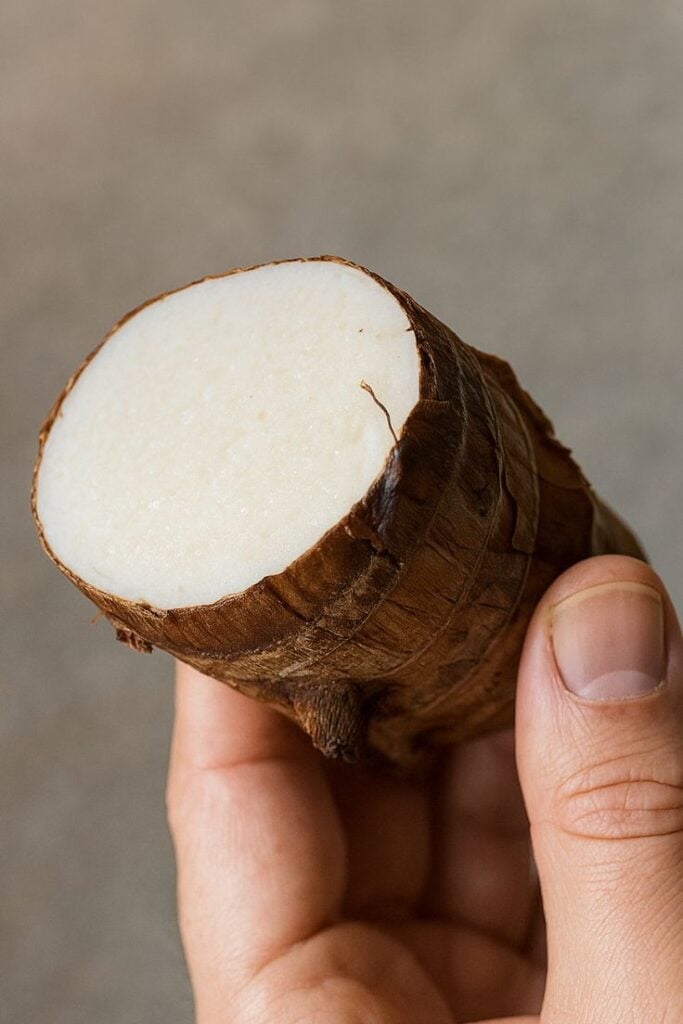
When you take your Alocasia out of its pot and see hardly any roots, it usually boils down to one (or more) of these four gremlins:
Root Rot
Ever seen black, sponge-like roots that snap instead of bend? That’s root rot—the number-one culprit. Overwatering or stashing your pot in a stuffy corner sets you up for it. Symptoms include:
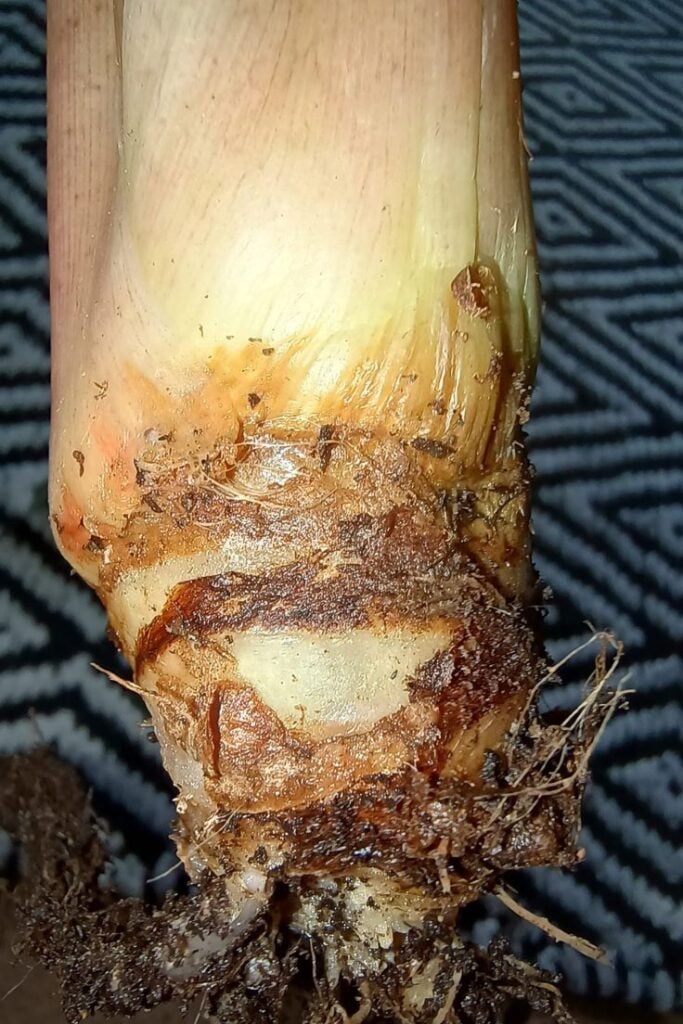
- A floppy, wobbly stem that feels like a limp noodle
- A strong, sour “rotting” smell at the base
- Mushy, dissolving tubers and roots
Pest or Disease Damage
Nematodes (tiny root-eating worms), molds, and other sneaky critters love to nibble on roots. If you’ve got these troublemakers, you’ll spot:
- Dark spots or decay creeping up stems and roots
- Tiny insects scuttling in the soil
- Zero new root growth
Cold Stress (Below 59°F [15°C])
Alocasia thrives in a toasty 68–77°F [20–25°C] “sweet spot.” When temps dip under 59°F [15°C], root growth grinds to a halt and the plant weakens fast. Watch for:
- Soil that takes forever to dry after watering
- Dull, lackluster leaves
No Repotting for Over Two Years
If your Alocasia hasn’t moved to fresh soil in over two years, it’s begging for a makeover. Old soil compacts and stifles roots, leading to:
- Roots squeezing out of drainage holes
- Rock-hard soil that’s shrunken in volume
- Water pooling on top and not soaking in
How to Revive a Alocasia with No Roots
Let’s tackle each root-missing scenario head-on with some hands-on fixes.

When Root Rot Is the Culprit
- Pot Freedom & Inspection: Gently unpot your plant and check the roots. Black, mushy bits = rot in full swing.
- Trim Away the Rot: Sterilize your pruning shears (rubbing alcohol works wonders) and snip off all the blackened, soft areas.
- Seal the Cut: Dust the wounds with a fungicide, or simply let them air-dry if you’re fresh out of spray.
- Fresh, Fast-Draining Mix: Repot into a well-draining houseplant soil—think peat-based mix with extra perlite or pumice. Add a layer of pebbles or broken pot shards at the bottom to help water zip through.
When Pests or Diseases Strike
You need both bug busting and germ-zapping. A go-to is Garden Safe Neem Oil Extract—an all-in-one fungal and insect spray you can pick up online (Check Price on Amazon). Here’s the drill:
- Root Rinse: Gently wash the roots under lukewarm water to flush out tiny pests.
- Spray & Protect: After repotting, mist the foliage and soil surface with neem oil to stop any lingering nasties.
- New Soil Only: Ditch the old dirt completely—those pests love to hide in it.
When Cold Is Holding You Back
- Outdoor Plants: Once nighttime lows approach 59°F [15°C], rescue your Alocasia indoors.
- Indoor Plants: Slide the pot onto an east- or south-facing windowsill—just keep it a couple of feet back at night so it doesn’t get a chill. And skip the evening watering when it’s cool.
When It’s Been Over Two Years Since Repotting
Aim for a spring to early summer refresh—just like spring cleaning for plants.
- Bigger Pot Upgrade: Move up one pot size in spring or early summer (never mid-winter!).
- Soil Swap: Toss out the compacted soil and use a fresh, fast-draining mix.
Insider Tips to Encourage New Root Growth
Think of your Alocasia like a tropical vacationer—it needs warmth, moisture, and a little pampering to settle in and send out roots.

- Keep It Toasty: Maintain a cozy 68–77°F [20–25°C] with about 70% humidity. Use a humidifier or mist the leaves when the air’s dry.
- Bright, Indirect Light: East- or south-facing windows give just enough glow without sunburn. A sheer curtain makes it a spa retreat, not a sunbathing session.
- Rooting Hormone Boost: For an extra kick, dip trimmed areas in a rooting hormone like Clonex Rooting Gel before repotting (Check Price on Amazon). It’s like a power-up for stubborn roots.
“No Roots?” Summary & Takeaway
Root rot, pests, cold snaps, and old soil are all sneaky ways your Alocasia can end up rootless.
But with fresh soil, the right temperature, a pest-fighting spray, and maybe a rooting hormone, you’ll be on your way to healthy, new roots in no time. Stick with it, care for your Alocasia like a tropical VIP, and watch those roots—and your confidence—grow!