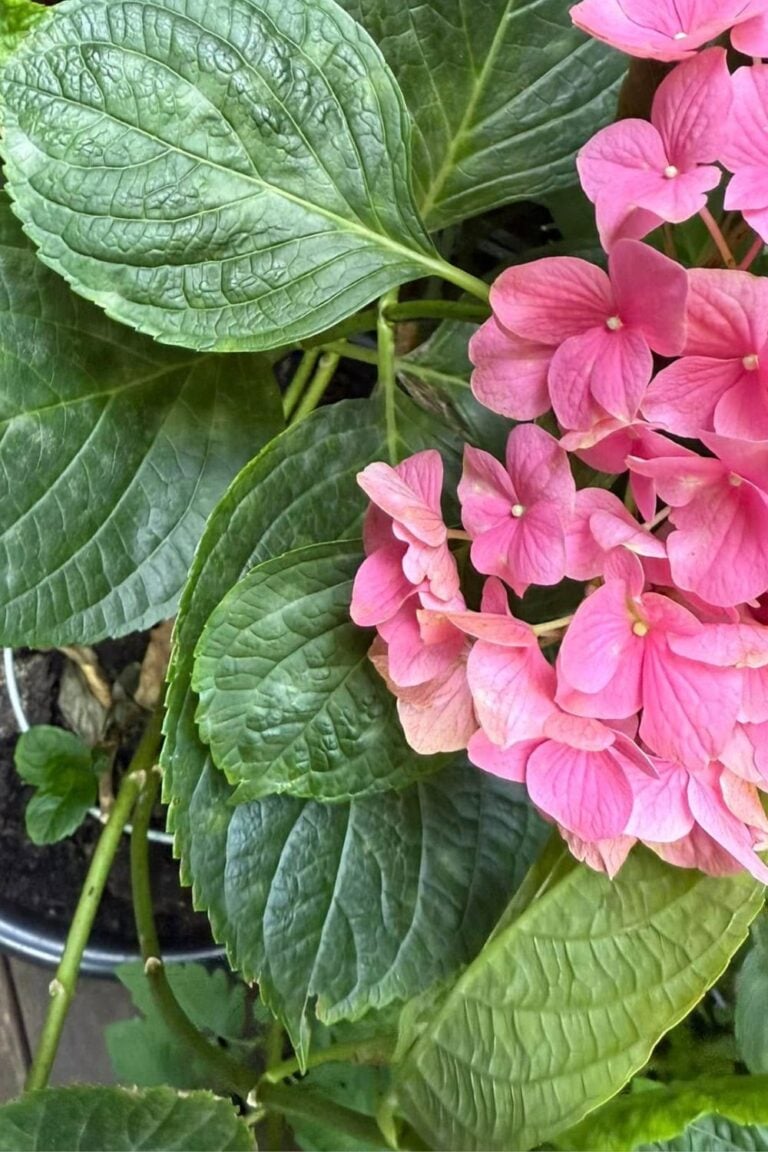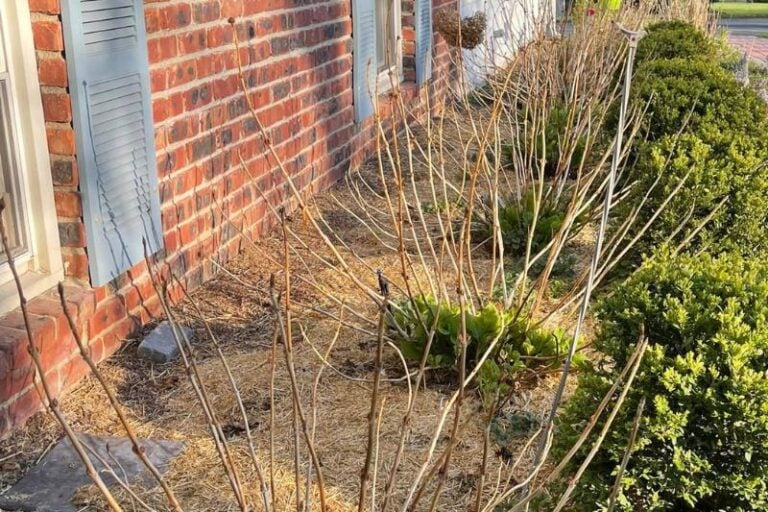
So, you’re wondering about taking care of your hydrangeas after the blooms have faded, right? I totally get it—I had the same question when I first started growing them.
My hydrangeas are now entering their third year since planting, and they finally bloomed for the first time this year, even though they’re still pretty small. They put on a gorgeous show, but now they look more like dried bouquets than fresh flowers.
As soon as the blooms began to fade, I decided to prune early to encourage an even better display next year. Timing is everything. Pruning right after the blooms fade can lead to more flowers down the line. But fair warning: if you wait too long, you might trim off next year’s buds and miss out on blooms altogether.
Whether your hydrangeas are in pots or planted directly in your garden, both approaches can work well. The key is to prune as soon as the flowers start to lose color and turn upside down. Cut the stem just above the second or third set of leaves from the spent flower head. Ideally, get this done by midsummer.
Hydrangea Blooms: The End of the Season
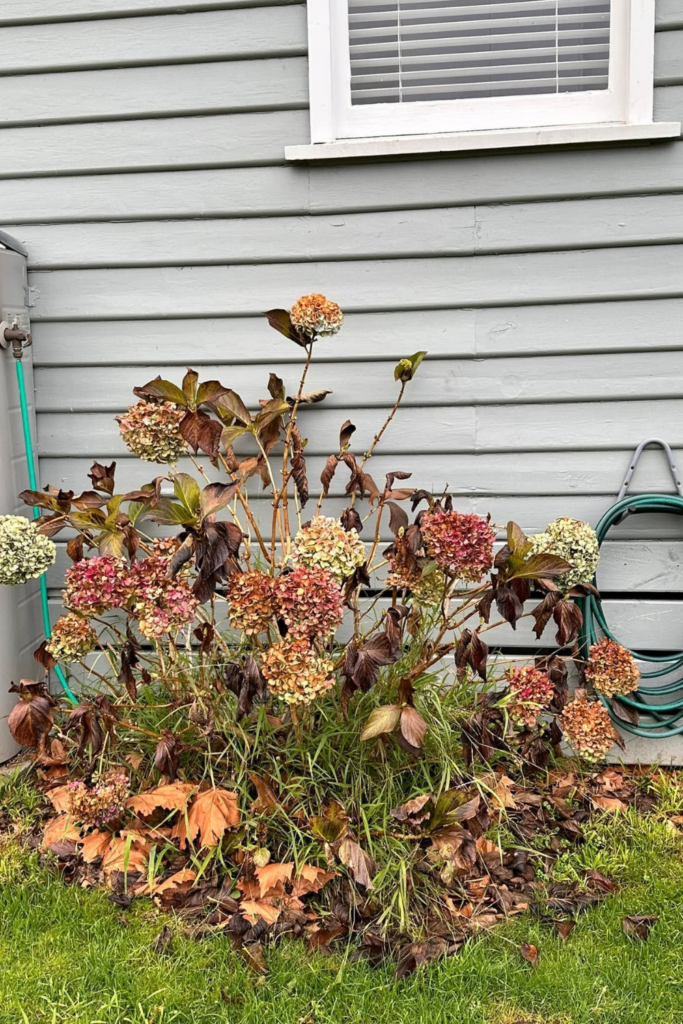
By late June, the petals on my hydrangeas were turning brown. They’d reached full bloom, and their color was fading fast.
Even though I felt sentimental about their first flowers and was reluctant to cut them, I knew it was time. They’d done their job, and pruning would ensure healthy growth and blooms for next year.
Perfect Timing for Hydrangea Pruning
Hydrangeas set their buds for the following year by August. If you prune at the end of June or in July, right after the flowers fade, you’ll give the plant a chance to channel its energy into next year’s growth. With a little luck and proper care, I’m hoping for even more blooms next season.
Pruning Finished Hydrangeas
When I looked closely at my hydrangeas after they finished blooming, I noticed tiny “lateral buds.” These will stretch out and become next year’s flower buds.
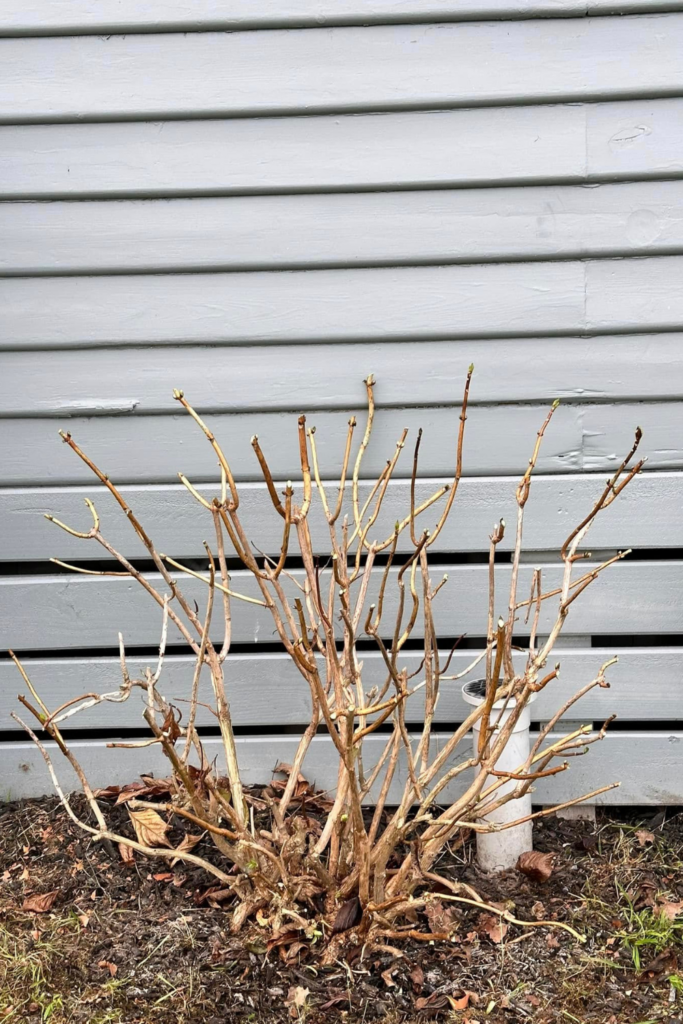
I pruned about three nodes down from the spent blooms. Since I’m keeping mine in pots, I trimmed them to remain nice and compact.
Be careful not to prune too close to the lateral buds, as you can accidentally damage them. I cut about 0.5 inches (1 cm) above the buds using my trusty pruning shears.
Even the branches that didn’t bloom this year got trimmed, hoping they’ll flower next time. There were only five branches total, so it was a quick job.
I removed all the spent blooms, letting the previously weighed-down branches finally relax. These hydrangeas were started from cuttings in water three years ago, so I felt no hesitation pruning them. If new lateral buds appear, I might prune again to maintain a compact shape.
Ideal Pruning Day for Hydrangeas
Choose a dry, sunny day for pruning. This helps the cut stems heal quickly and discourages bacterial growth. This rule applies to most plants, not just hydrangeas.
Aim to finish by the end of July, ideally on a clear day between rain showers, to encourage strong, healthy growth.
After pruning, I ran into an unexpected issue, which I’ll talk about in another article.
Enjoying Pruned Hydrangeas as Cut Flowers
After pruning, I just couldn’t bear to toss the still-pretty blooms, so I put them in a vase. Even a single bloom can brighten up a room!
Hydrangeas can last about a week as cut flowers, even in early summer’s rising temperatures, as long as you change the water frequently.
It’s hard to let go of those perfect blooms I’ve nurtured myself, but this process helps ensure a better show next year.
Prune your hydrangeas right after they finish blooming. If you wait too long and cut off the new buds that form in August, you might miss out on next year’s flowers.
To avoid this, finish pruning by the end of July at the latest. Choose a sunny day, get out those pruning shears, and go for it! I hope this helps you keep your hydrangeas thriving and beautiful.